Medieval quarries
Long before the Catacombs became a visitor attraction, underground quarrying helped provide building stone for Paris and shaped the tunnels beneath the city.
A simple travel guide to one of Paris’s most unusual historic attractions.
The Paris Catacombs are far more than an unusual underground attraction. Their story begins with the old limestone quarries beneath the city, which supplied stone for buildings over many centuries. Over time, these underground spaces became part of one of the most distinctive historical sites in Paris.
In the late eighteenth century, public health concerns linked to overcrowded cemeteries led Paris authorities to transfer human remains into the former quarries. This created the municipal ossuary that later became known as the Paris Catacombs.
The underground galleries were originally part of a quarry system developed to extract limestone, an important material used in the construction of Paris. As quarrying expanded, large networks of passages formed beneath parts of the city.
In 1786, the site was consecrated as the Paris Municipal Ossuary. The name “Catacombs” was later associated with this transformed underground space, giving it the identity that still attracts visitors today.
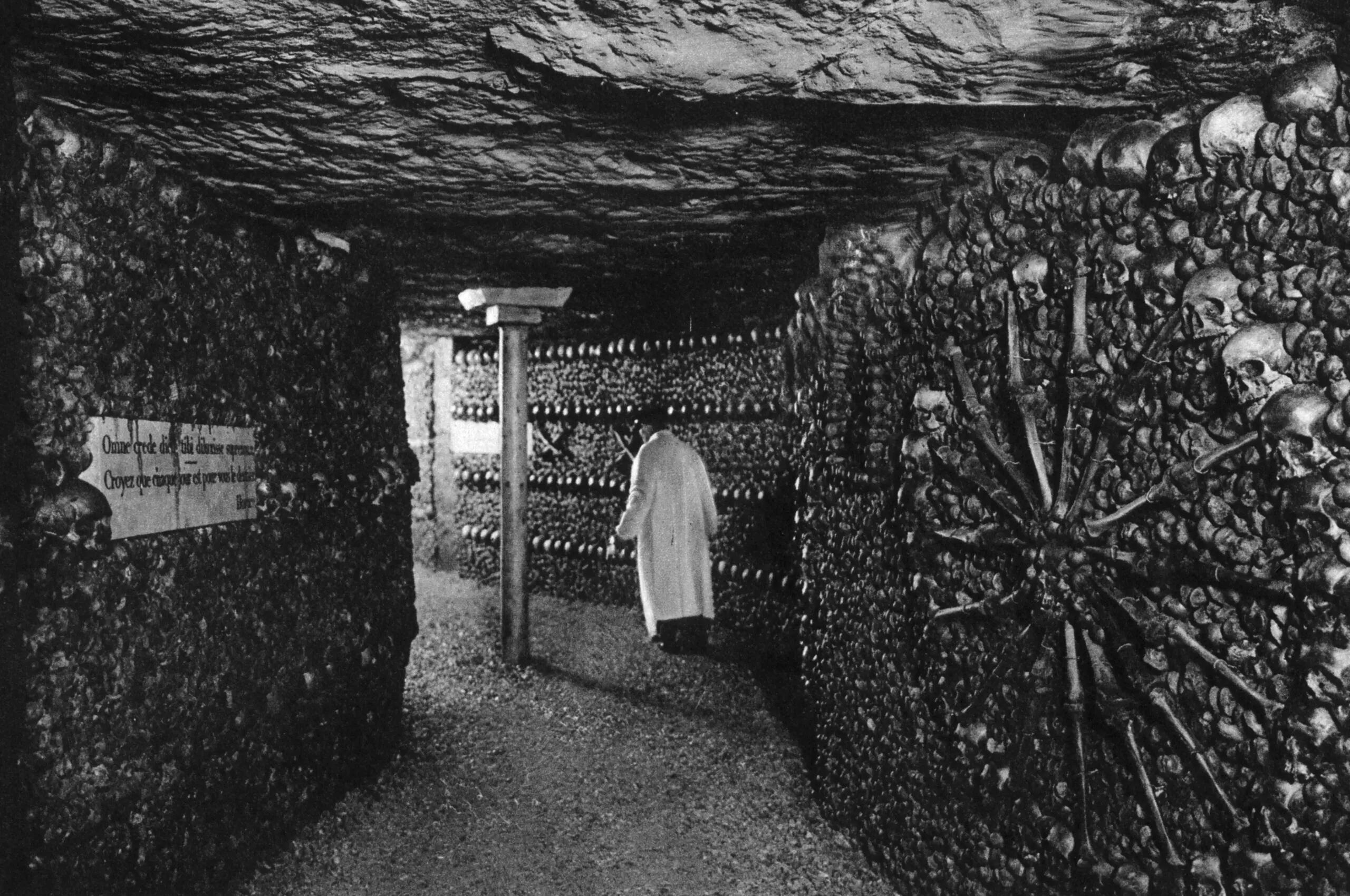
Long before the Catacombs became a visitor attraction, underground quarrying helped provide building stone for Paris and shaped the tunnels beneath the city.
The former Tombe-Issoire quarries were officially transformed into the Paris Municipal Ossuary after the transfer of remains from overcrowded cemeteries.
The Catacombs were opened to the public in the early nineteenth century, and they quickly became a place of curiosity for both French and foreign visitors.
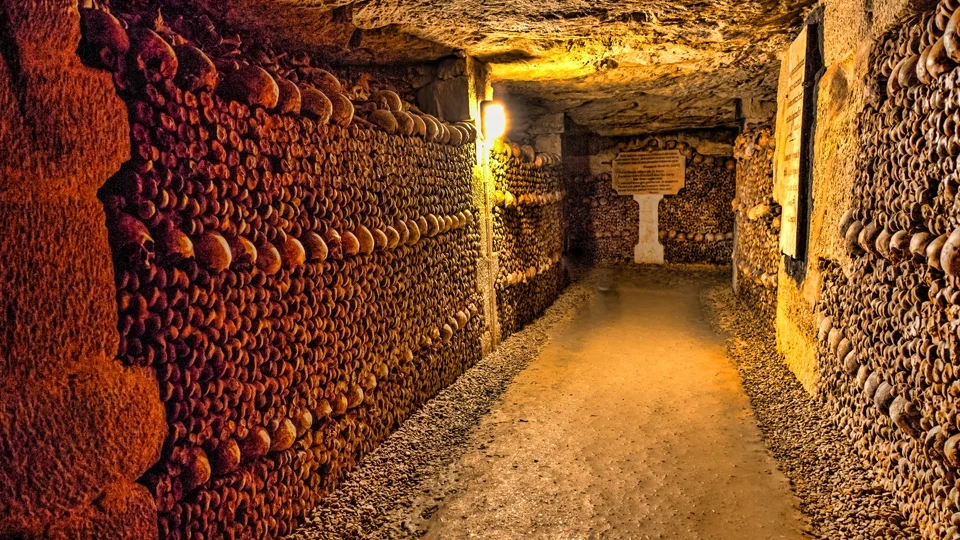
Today, the Catacombs are visited not only for their unusual atmosphere, but also for their connection to the history of Paris, its architecture, its geology, and the development of the city itself.
For tourists, this history adds depth to the visit. The Catacombs are not simply underground tunnels: they are a place where urban history, memory, and heritage meet in a way that is unique in Paris.
Understanding the background of the Catacombs makes the experience more meaningful. Visitors can see the site not only as a dramatic attraction, but as part of the wider story of Paris and its transformation over time.